Seminar
2026 Seminar and Workshop Schedule
6Free, two 3o minutes sessions, targeted audience : Students Year 9-12, Adults, teachers.
Presentation of key Educations programs :
- Mining camp / get into mining
- Pit-to-pixels in partnership with Core Learning Foundation
- STEM Program
- Near Pear Program
- Scholarships
Friday 6th
11-12 am
& Saturday 7th 11-12

Adryl Lau & guests
The WA Mining Club is developing a wide range of initiatives for students looking to enter the resources industry.
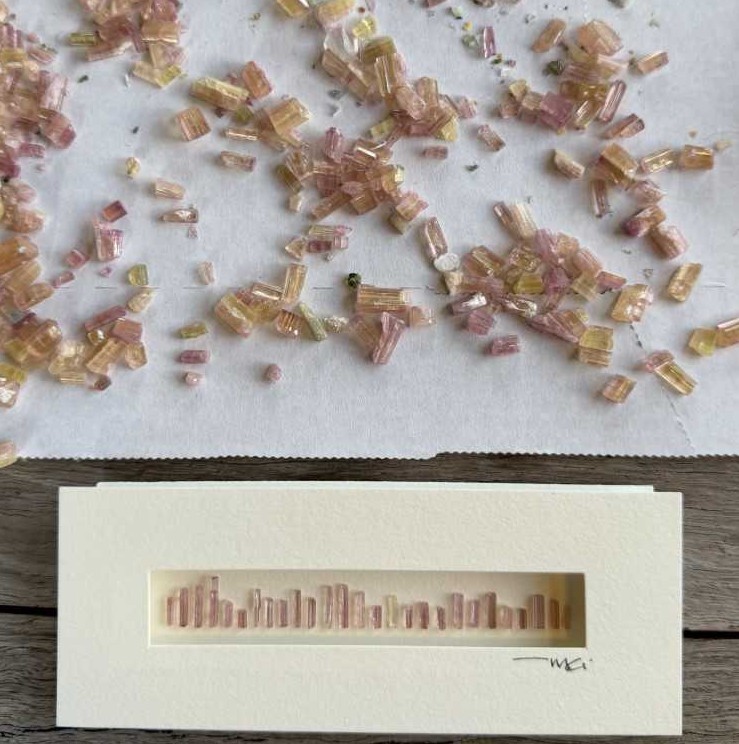
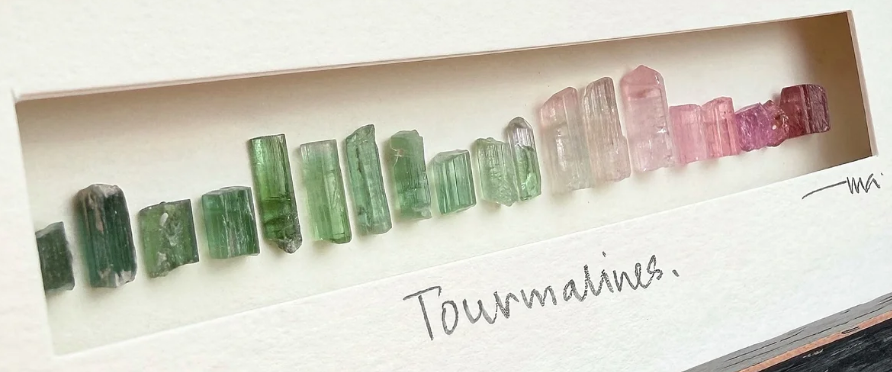
Workshop : Tourmaline Art Work Making Sessions
$160 for 2 hours, targeted audience : 12-18 years old, Adults. 6 attendees per session. Booking required : (Saturday sold out) meagangardiner/workshops
2 hour workshop teaching people how to artistically arrange and frame gem and mineral specimens.
A fee of $160 per person includes 2 hours of tuition and all art & framing materials are supplied. Participants are encouraged to buy specimens from the PGMS.
Friday 6th
2 - 4 pm & Saturday 7th
9 - 11 am
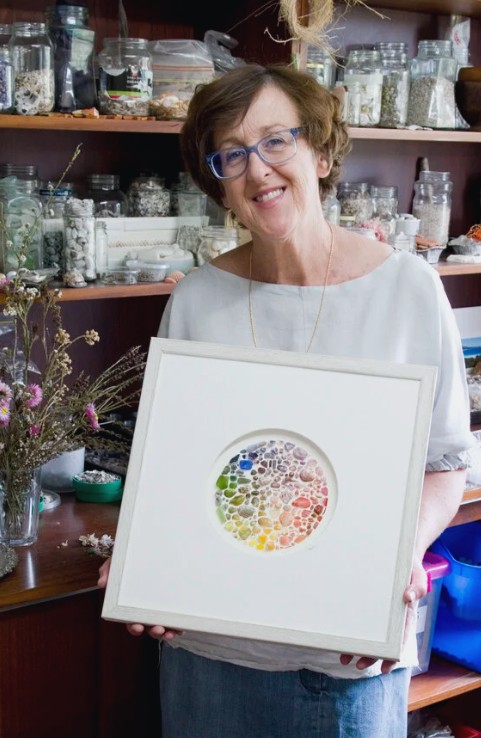
Meagan Gardiner
Meagan is a West Australian artist with over 30 years of experience as a creator. She makes art works containing found objects such as gemstones, crystals, gold nuggets, mineral specimens and wildflowers.
Interactive activity:
Gold Panning
targeted audience : kids
East wall of Pavillion 6
The WASM Wallabies will introduce you to the art of panning for gold, and tell you all about their intercollegiate competitions. Might get a bit wet and messy, be ready for a few splash of murky water.
Make sure to pay a visit to this student-run organisation, and give panning a try !
All day, every day
WASM Wallabies mining club
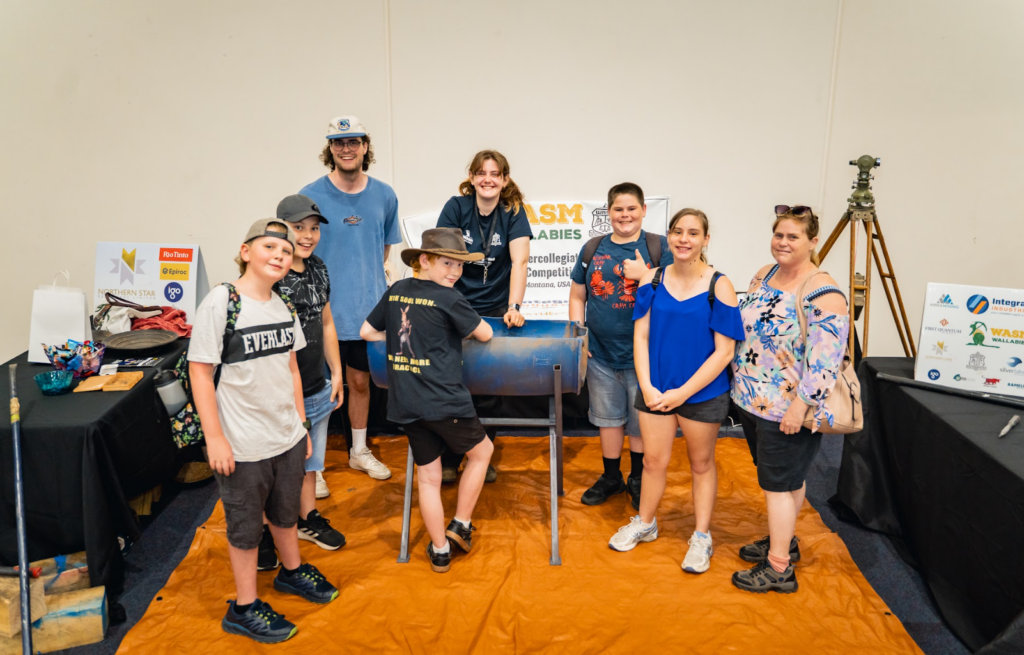
Interactive :
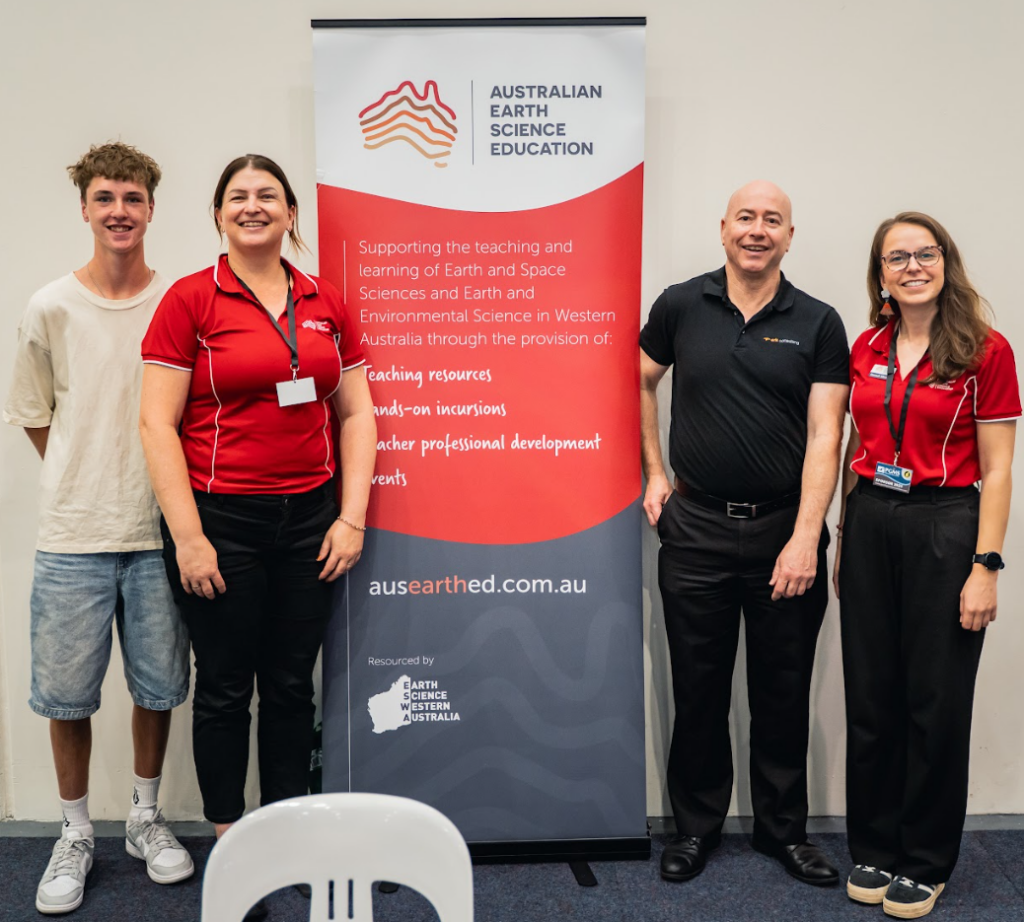
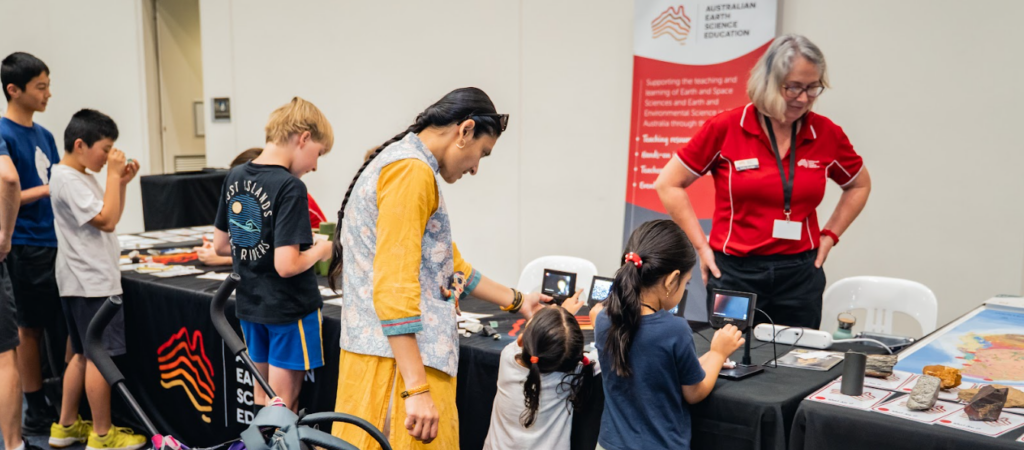
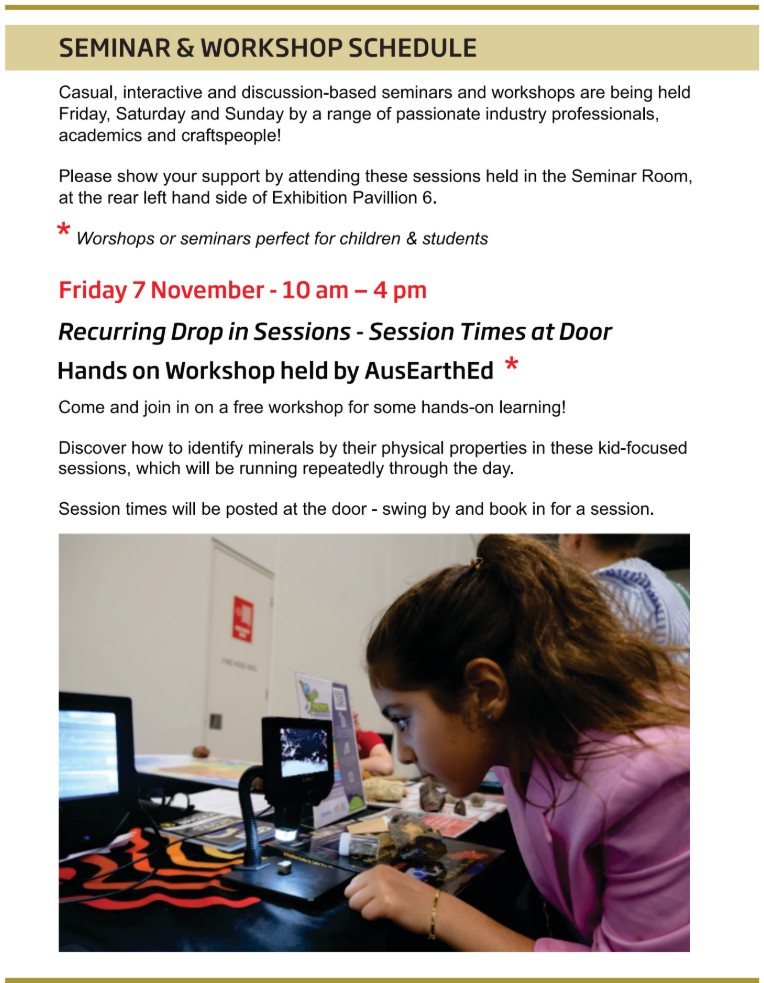
AusEarthEd x GSWA
targeted audience : kids
North Wall, by the toilets
AusEarthEd and GSWA are teaming up this year to offer great approachable introduction to geoscience to curious young minds ! Check out their STEM outreach and free learning resources !
All day, every day
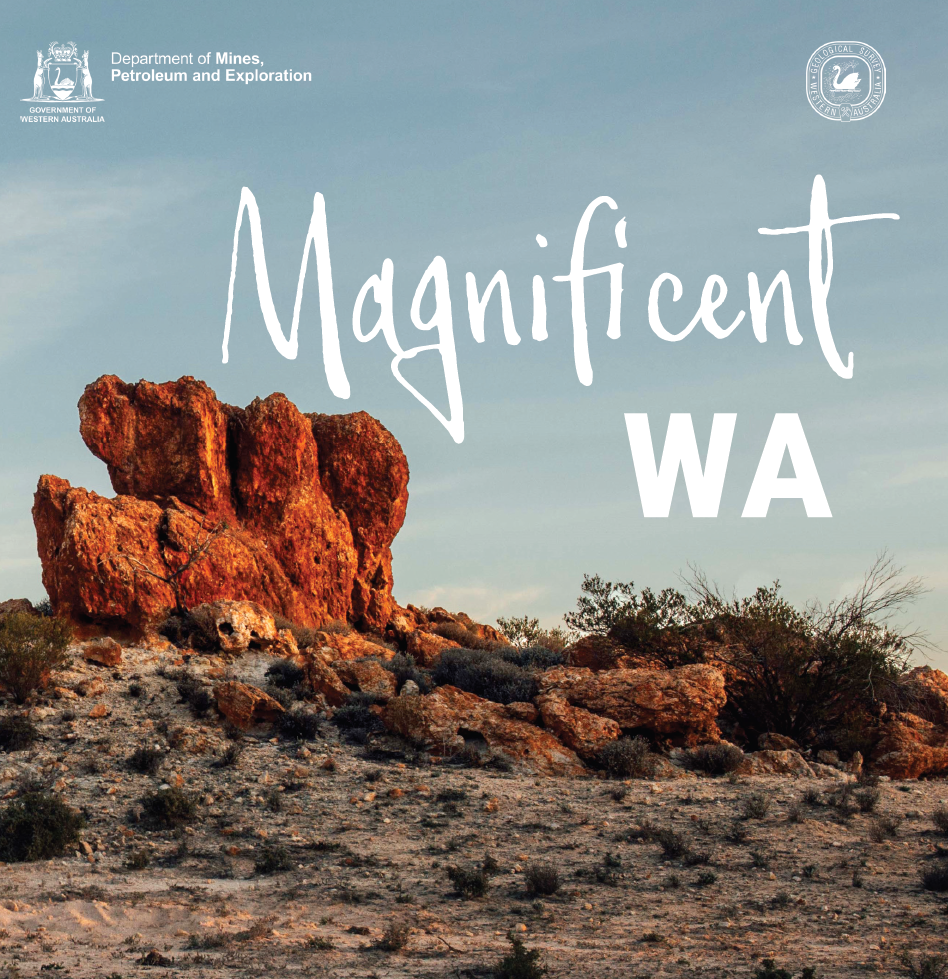
Magnificent WA
(Geological Survey of Western Australia)
15 minutes,
targeted audience : 12-18 years old, adults.
Let’s delve into colourful stories from across our state. Discover bright minerals, unique ecosystems and the mysteries of deep time. See the landscapes speak and show off the interactions between ocean, life, atmosphere and rock.
Saturday 7th
1.00 - 1.20 pm
Tim Ivanic
Tim moved to Western Australia to experience its unique, wonderous and world-famous natural history. Working for the Geological Survey of Western Australia he has mapped and travelled various parts of the state, uncovering some of its diverse natural stories.
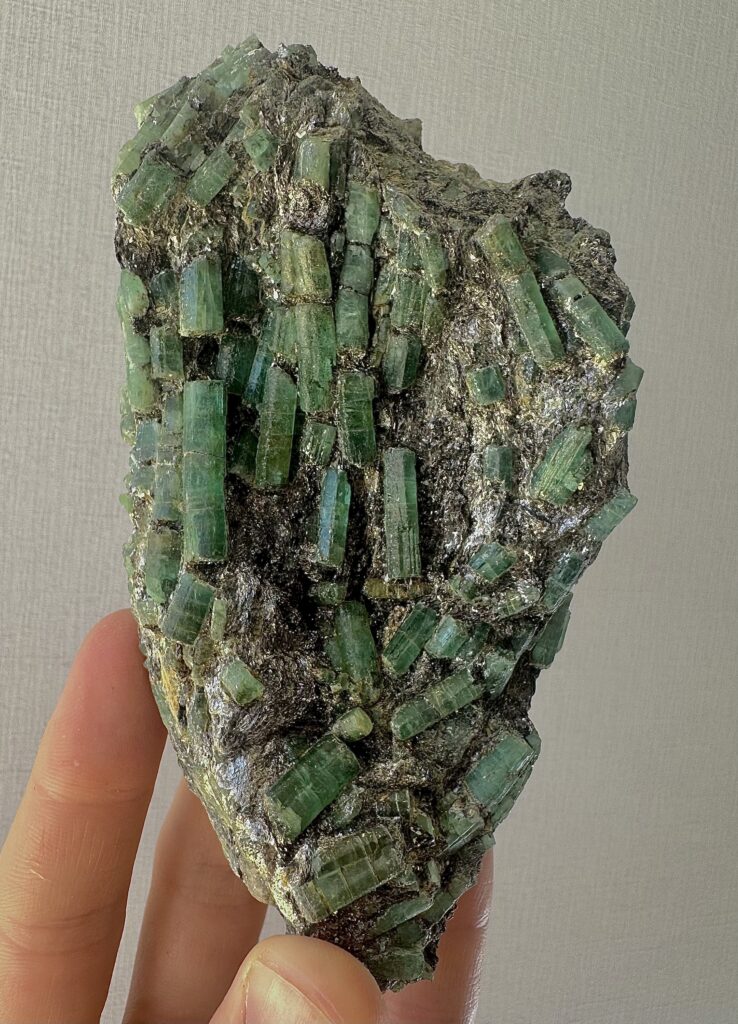
West Australian Emeralds
20 minutes, targeted audience : 12-18 years old, Adults.
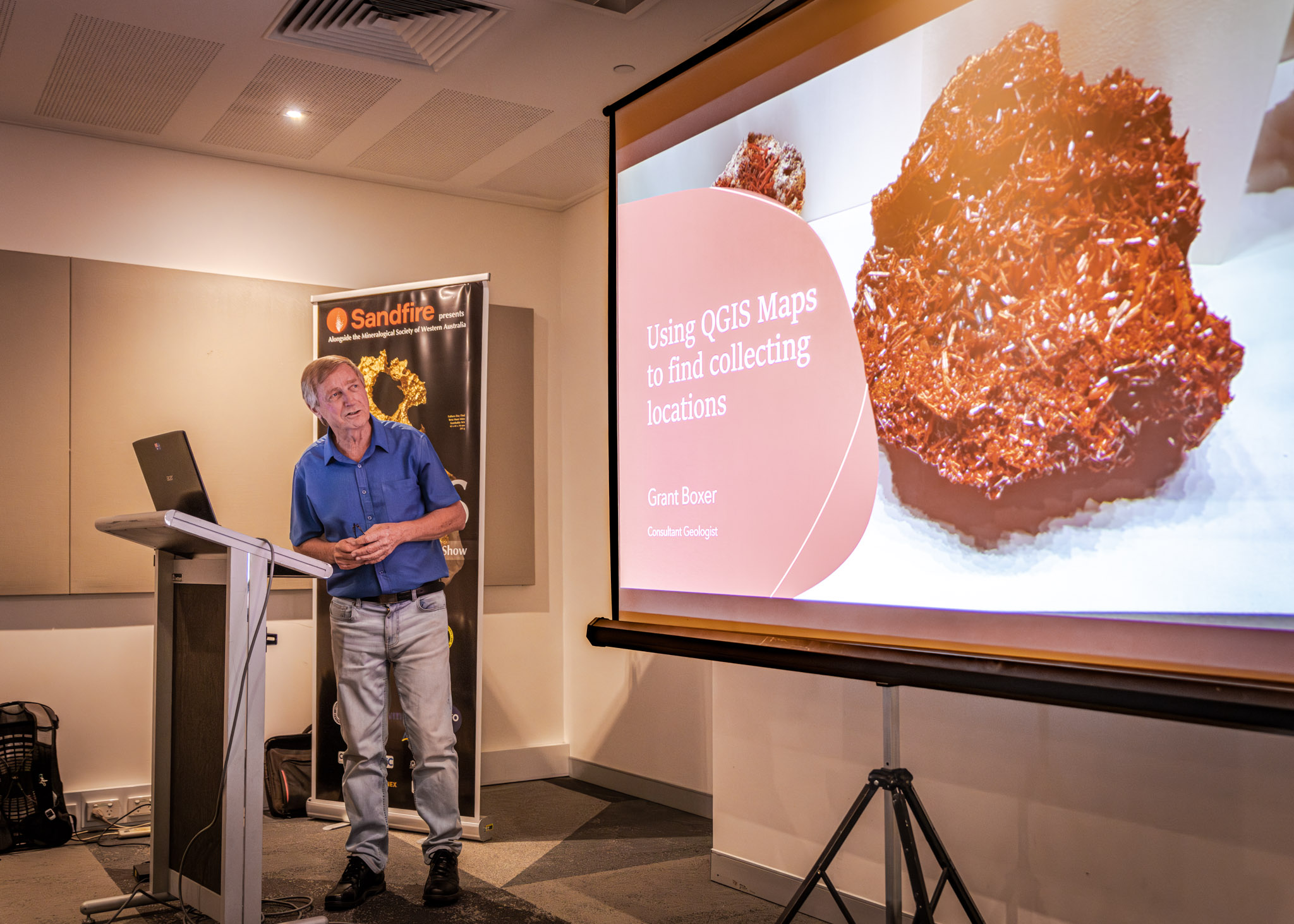
In Western Australia, emeralds are rare but widespread across the state from the Pilbara to the Kalgoorlie area. Emerald is variety of Beryl that contains quantities of chromium (Cr) or vanadium (V) that give the mineral its unique and beautiful green colour. The first emerald discoveries were in Poona, northwest of Cue in the Murchison region in 1912. Since then, emeralds have been discovered in a number of places in the Pilbara, the Gascoyne, Murchison and the Kalgoorlie areas. The emeralds are typically associated with pegmatite dykes cutting through ultramafic rocks. The presentation will describe the occurrences and show some recent work being done on the Wonder Well deposit, west of Menzies.
Saturday 7th
1.30 - 1.50 pm
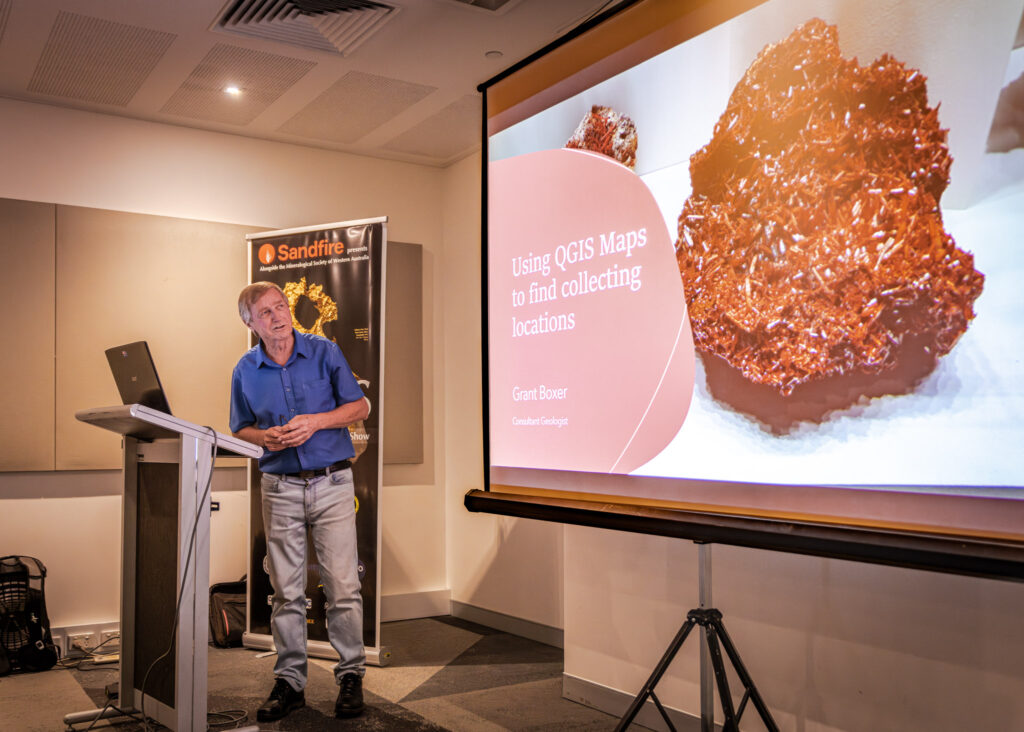
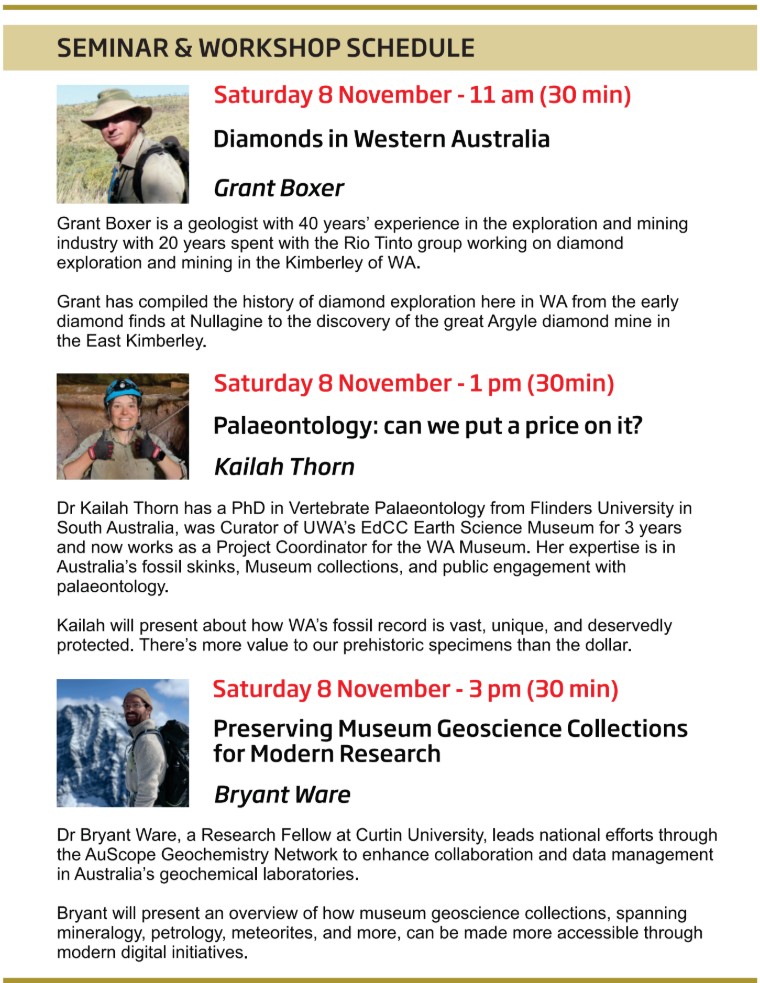
Grant Boxer
Grant Boxer is an exploration geologist with 40+ years of experience ranging from iron ore and base metals to diamonds. Grant is currently working as a consultant geologist based in Perth, as well as running training workshops for geologists and explorers in using the free GIS program, QGIS. Grant has been working recently with Gemstar Resources on their Menzies emerald project.
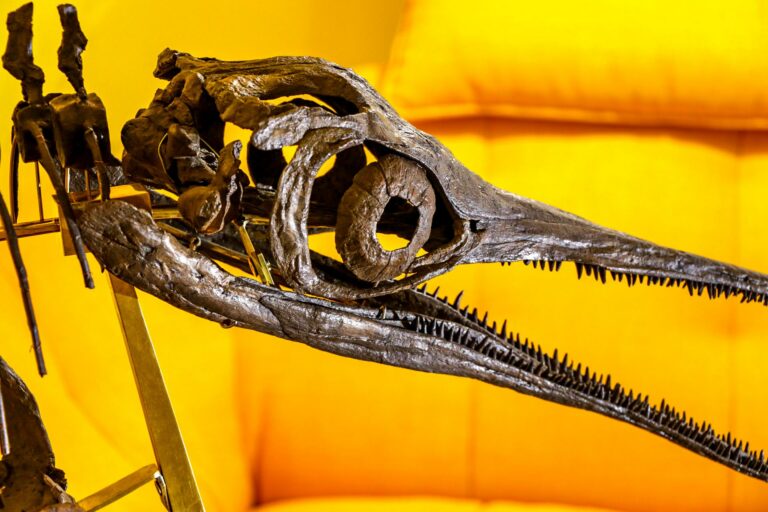
Microbial sulfur redox cycling controls barite–calcite–pyrite permineralisation of 3D-preserved ichthyosaur bones in concretions
15-20 minutes, targeted audience : academia, adult.
The Lower Jurassic Posidonia Shale of Germany is well established as an anoxic, sulfidic black shale depleted of sulfate ~183–180 Ma. However, several fossils from south Germany, like ichthyosaur contain barite, which presented a mystery to its authigenesis. The permineralisation of barite, calcite and pyrite within the fossil bones of an ichthyosaur were associated with carbonate concretion formation, reflecting microenvironmental fluctuations in sulfur redox and pH that ultimately preserved the skeleton.
Saturday 7th
2 - 2.20 pm
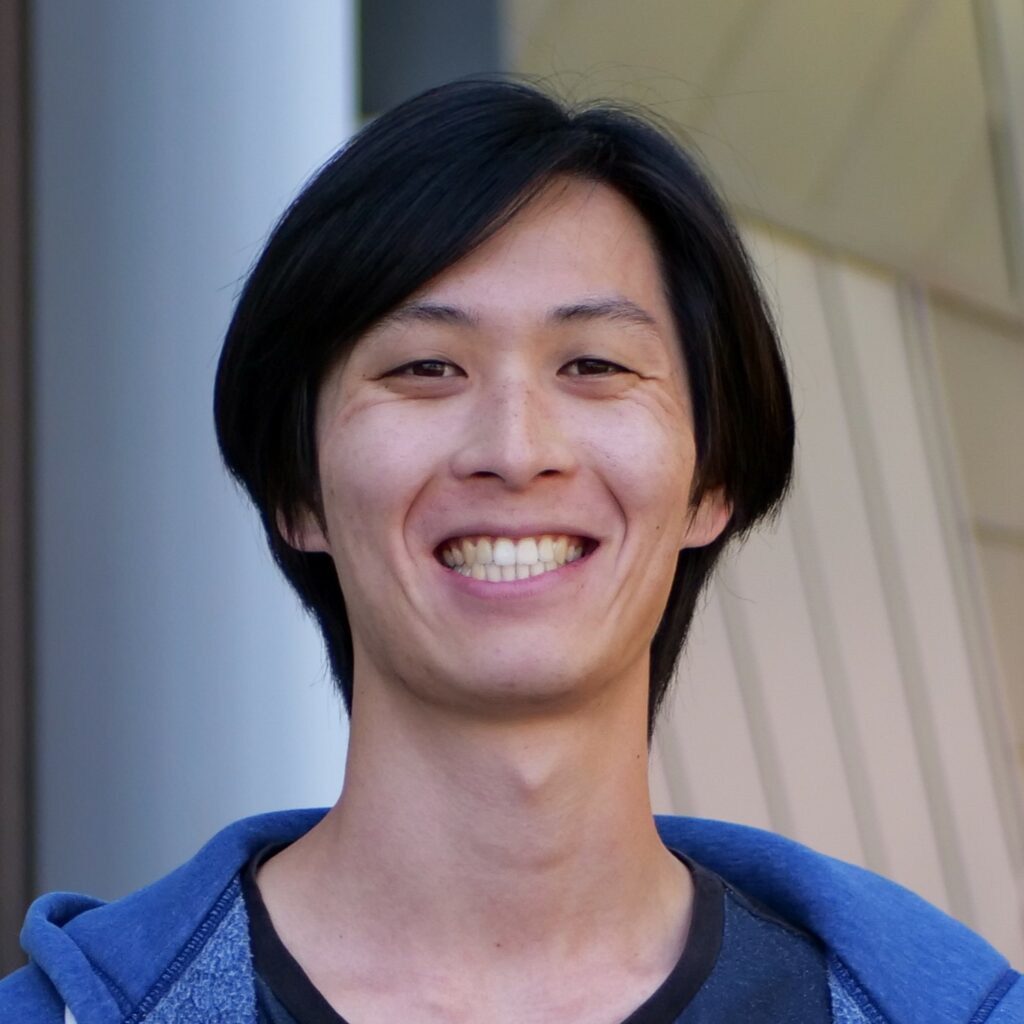
Andrew Jian
Andrew Jian is an Applied Geology PhD student at WA-OIGC, Curtin University. He researches a project that combines organic geochemistry, palaeontology and mineralogy, examining an ichthyosaur fossil from the Jurassic Posidonia Shale of Germany. Studying the biomarkers, isotopes and minerals from these exceptionally preserved fossils reveal insights into their fossilisation mechanisms and paleoenvironment.
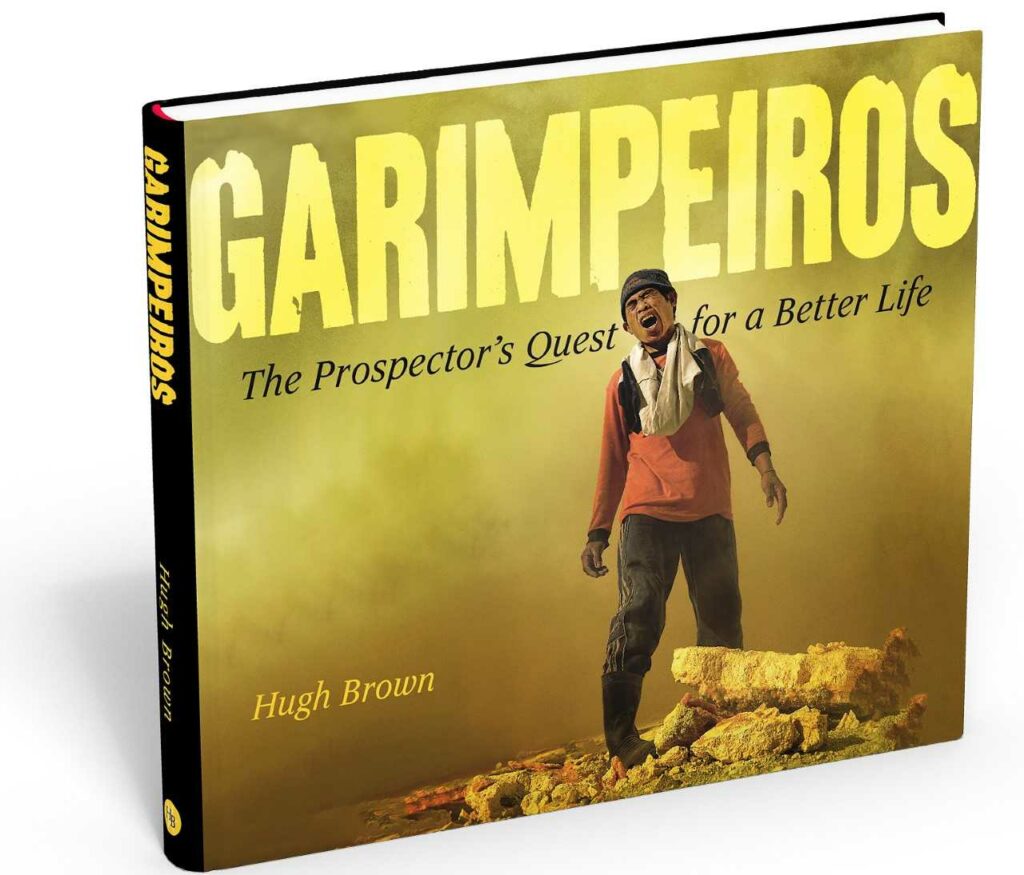
45 million artisanal miners -
What's all the fuss really about ?
40 minutes, targeted audience : adults, Industry professionals, academia.
An estimated 280 million people worldwide depend on artisanal mining to survive. That is more than three percent of the world’s entire population — concentrated in some of the most politically unstable and resource-rich regions on earth. This talk examines why the world’s artisanal miners are so important and why so much of the world’s attention and resources have been directed to regulating this area over the past 15 years.
Saturday 7th
2.20 - 3 pm
Hugh Brown
Hugh Brown is a multiple best-selling author and Australian documentary photographer who has spent much of the past 20 years documenting artisanal mining and large scale mining operations around the world. This deep global background across a long period of time makes him uniquely qualified to comment on what the fuss is really all about in relation to the world’s 45 million artisanal miners.
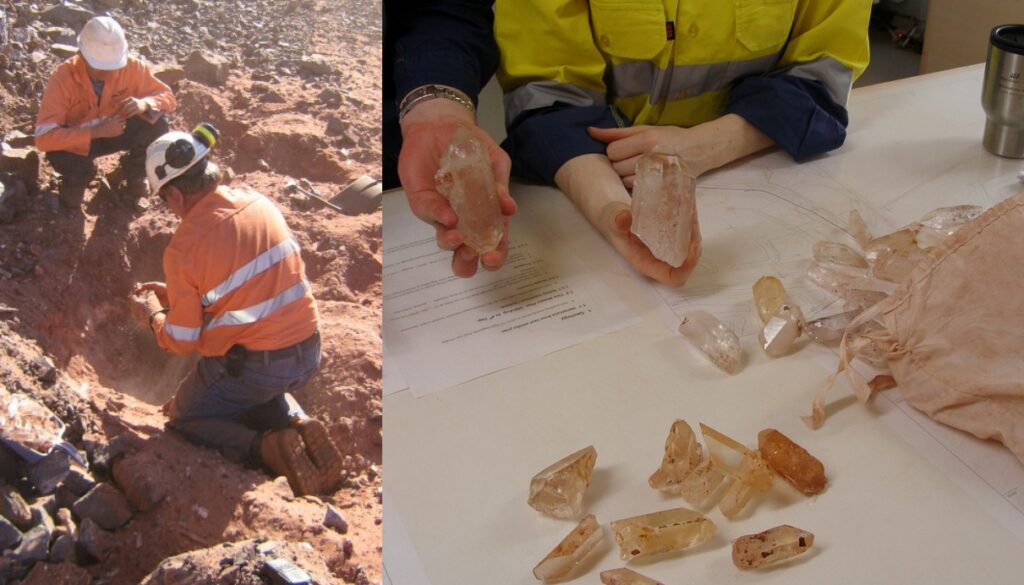
"Some Days Are Diamonds! ... " - A retired Mine Geologist/Mineral Collector Reminisces.
20 minutes, targeted audience : 12-18 years old, adults.
Craig will speak and show slides on three important times his collection was added to from specimens found at his workplace, namely ‘turgite’ and quartz crysatals from Tallering Peak, WA and cerussite from the Magellan (now Roslyn Hill) Mine near Wiluna, WA.
Saturday 7th
3 - 3.20 pm
Craig Bosel
Craig Bosel has been a MinSocWA member since 2008 and retired in 2020 after 39 years working in WA, QLD, NT and NZ at various gold, iron ore, manganese, diamond, uranium, lead and nickel operations and prospects. He has been a keen mineral collector since age 9, living on a cattle station in North Queensland where you could pick up sapphires from old weathered volcanic cones nearby.
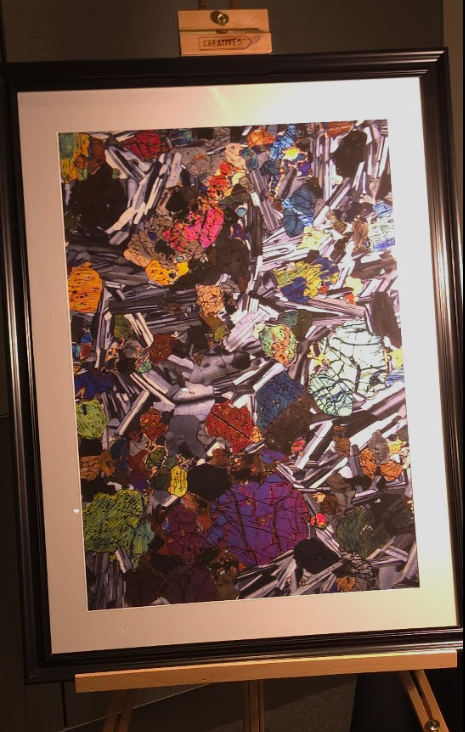
Dumber than a box of rocks; petrographic approaches to understanding rocks
90 minutes, targeted audience : 12-18 years old, Adults, Industry professionals, Academia
Robert principally studies geological materials with thin sections and a petrographic microscope but also enjoys access to a suite of instruments including x-ray diffraction and scanning electron microscopy from his fully equipped lab at Microanalysis Australia in Perth. Many rocks can be identified in hand sample at a superficial level, but after thousands of rocks and 24 years Robert understands that he knows nothing, and the devil is in the details. In this talk Robert will attempt to share a bit of insight into his methods and processes that build the bedrock of his geological analyses and applications for the outcomes. The talk is supported by a host of fairly to extraordinarliy pretty microscope pictures of rocks in thin section. The talk will be aimed at an introductory level accessible to all, it’s just before dinner time, so nothing to heavy.
Saturday 7th
3.30 - 5 pm
Robert Madden
Robert is a geologist and petrographer with a global portfolio of field work, exploration, mining, oil and gas, and academic research applications. He holds a bachelors (with honours) and masters degree in Geoscience from the University of Durham (UK) and a PhD in Applied Geology (carbonate petrology) from Curtin University. Robert is a published author with broad reaching interests across the geological spectrum. Robert analyses somewhere on the order of 500-1000 rocks down his microscopes every year from a hugely varied range of lithologies and deposit types. With the belief that the best geologist is the one who has seen the most rocks, Robert provides his petrographic skills with the goal of seeing all the rocks. However, after 24 years of geological observations Robert realises he is dumber than a box of rocks…
Under the Radar: Australian Fine Minerals on the World Stage
15-20 minutes, targeted audience : 12-18 years old, Adults.
In this presentation, Charles Begley challenges current global perceptions by re-examining Australian fine minerals through the lens of aesthetic quality, rarity, and provenance. By contrasting underrepresented native localities with iconic overseas deposits, the talk highlights the global recognition gap facing Australian specimens today and explores the nation’s extraordinary potential to produce world-class fine minerals moving forward.
Sunday 8th
9.30 pm
Charles Begley
Charles Begley is a 21-year-old geology student at Curtin University, as well as an active mineral dealer and collector. Specializing in high-aesthetic Australian specimens, he is dedicated to advocating for fine native minerals with exceptional quality, rarity, and provenance on the global stage.
Diprotodons in the West
20 minutes, targeted audience : 12-18 years old, Adults.
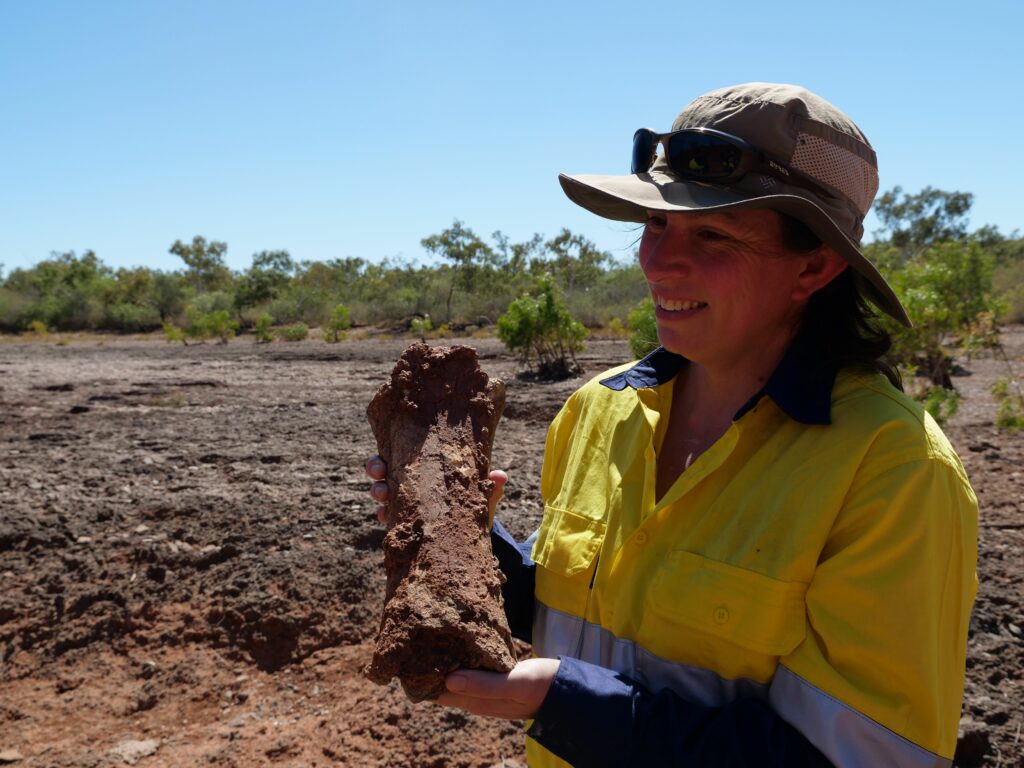
A diprotodon bone bed discovered in the 1990’s was the target of a major excavation project by the WA Museum in 2023. This bone bed is unique as the diprotodon remains are associated with mangrove fossils – megafauna and mangroves are a rare combination with only a handful of sites known globally. Since the recent excavations, research has been ongoing as to the how, when, and why this fossil site was preserved.
Sunday 8th
2 pm
Helen Ryan
Collection manager (Palaeontology), WA Museum
Helen Ryan is the Collections Manager (Palaeontology) at the WA Museum. As well as looking after the state’s palaeontology collection, she is currently working on a range of research projects, from Cretaceous belemnites to Pleistocene diprotodons. Her primary interest is invertebrates and what they can tell us about past environments.
Minerals of the Degrussa Copper Mine, WA
30 minutes, targeted audience : 12-18 years old, Adults.
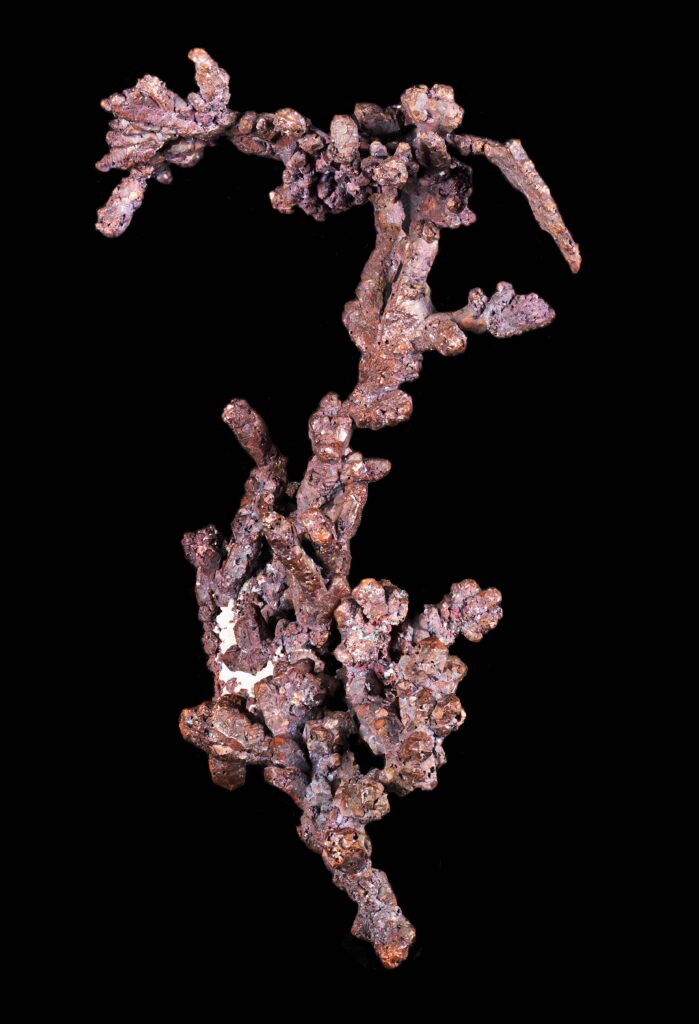
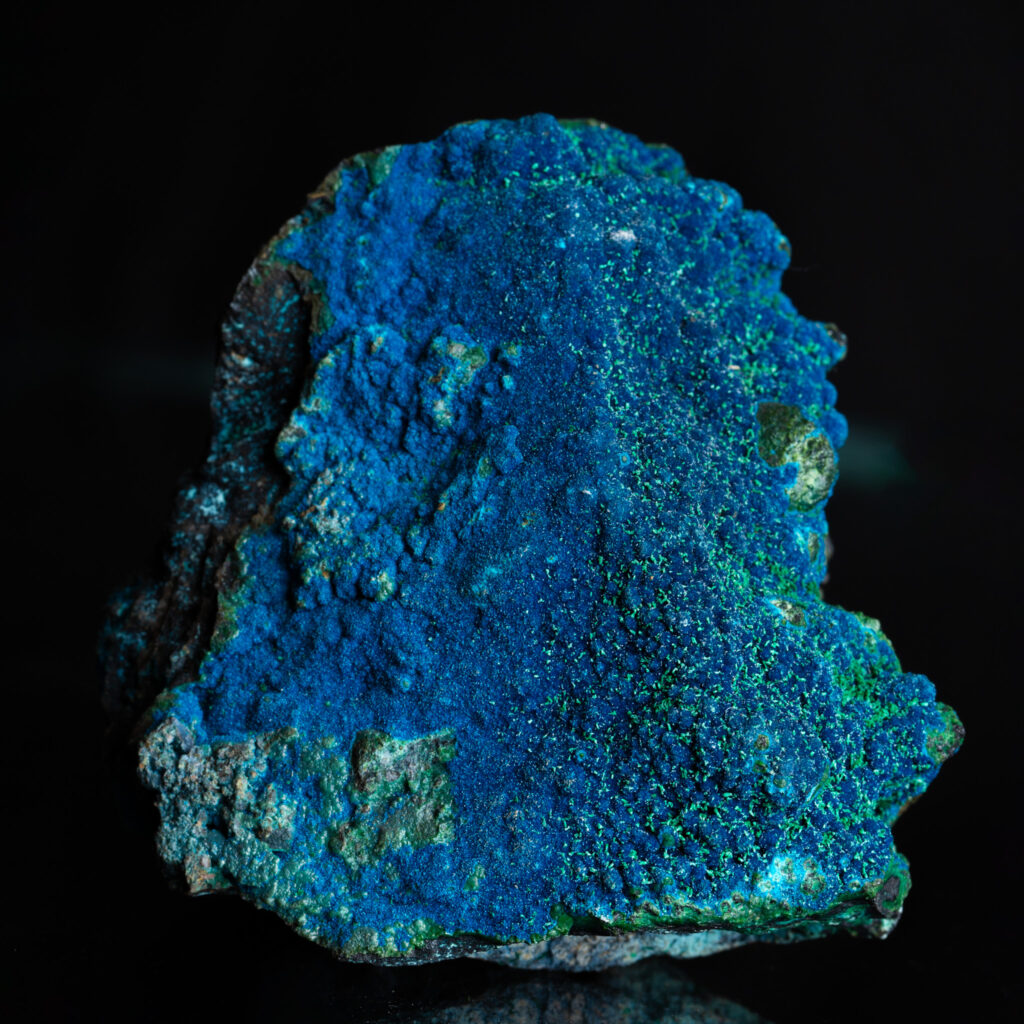
A magnificent range of minerals were collected from the DeGrussa mine over its years of operation, including fine examples of native copper, azurite nodules, malachite, chrysocolla, cuprite and aragonite. Peter will take you on a photographic tour of these colourful minerals, describing some of the chemistry behind their formation.
Sunday 8th
3 pm
Peter Downes
Curator of minerals, WA Museum
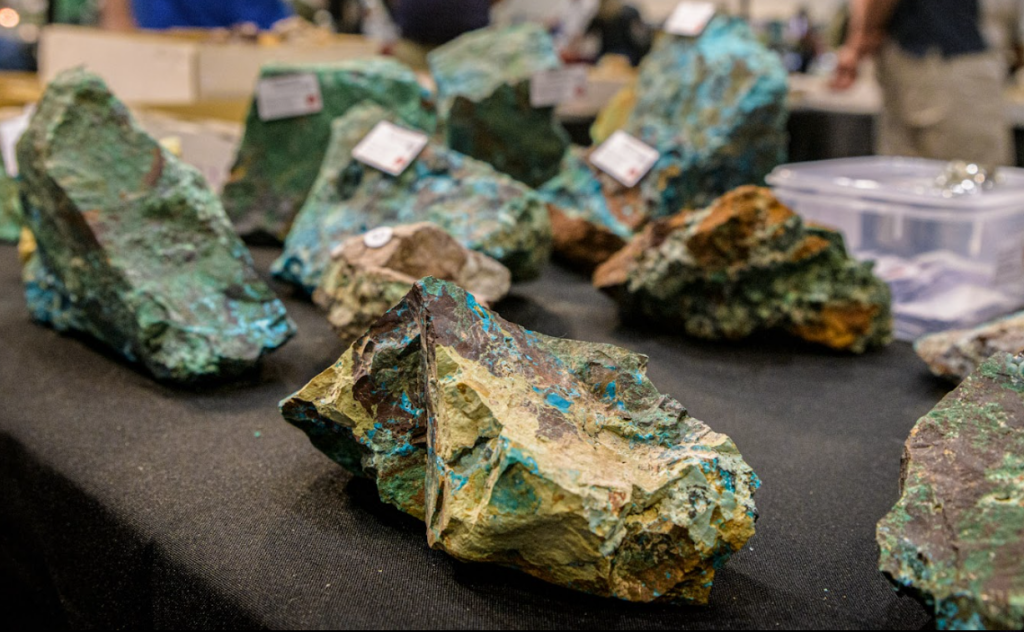
Peter Downes is the Curator of Minerals at the Western Australian Museum and Editor of the Australian Journal of Mineralogy. He enjoys investigating colourful minerals from the oxidised zones of WA mineral deposits.
2024 Seminar and Workshop Schedule
An appetite for apatite
Anthony Clarke
15 minutes
Apatite is often mistaken for other minerals, hence the origin of its name from the Greek “ἀπατάω”, meaning to deceive. Nevertheless, apatite is a powerful tool for understanding our planet, from timing gold mineralisation to tracking sediment flux across continents.
With its unique properties, apatite can store a wealth of geological information. I attempt to unlock this geological record and integrate insights from apatite with those from other minerals, thereby gaining a more comprehensive understanding of geological processes. Join me as I share research that has spanned the world, from the Pilbara, Welsh coastline, to the icecaps of Greenland.
Anthony Clarke is Welsh PhD student in applied geology at Curtin University. He completed his BSc at the University of St. Andrews, then postgraduate study at the Camborne School of Mines.
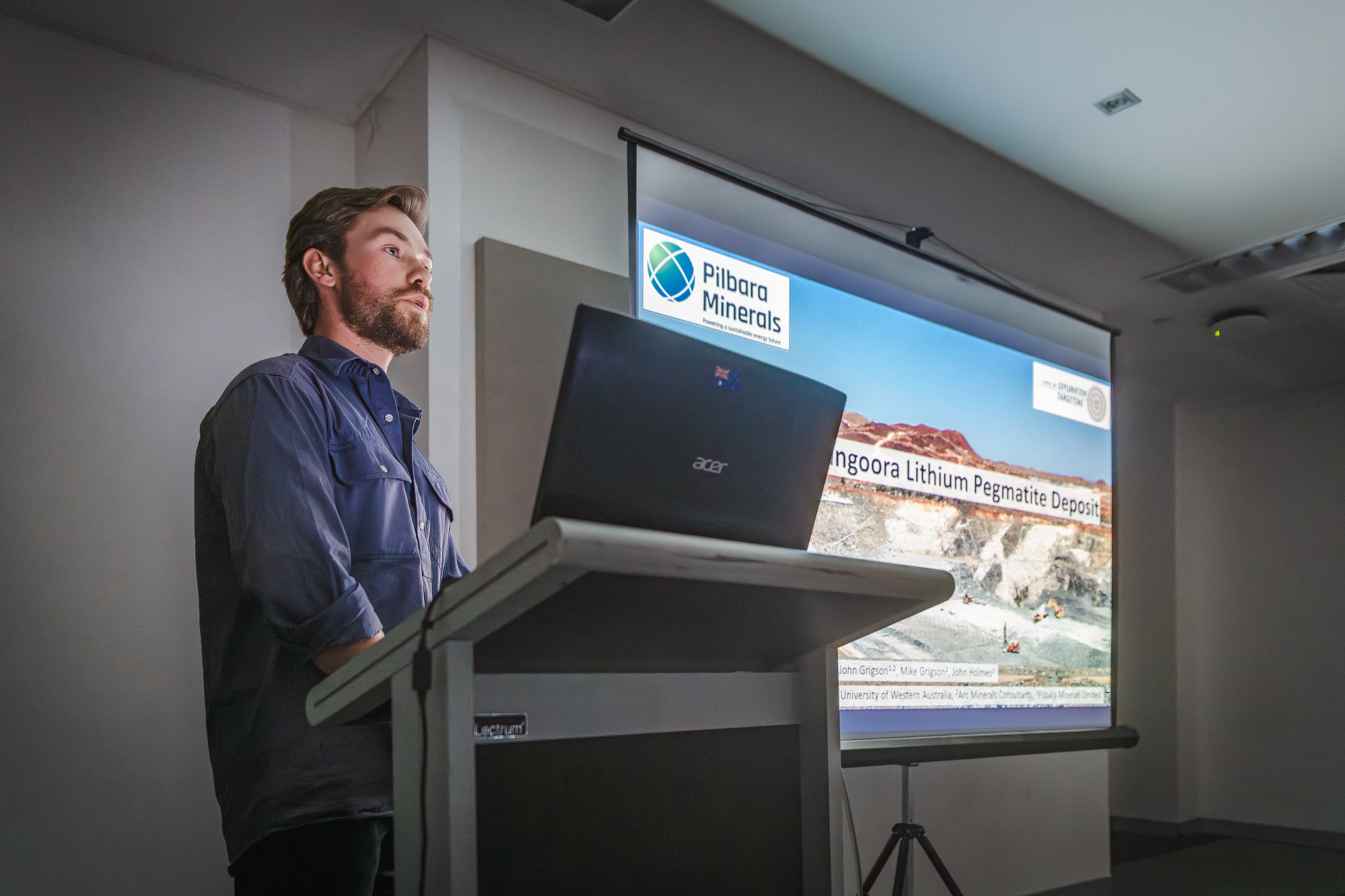
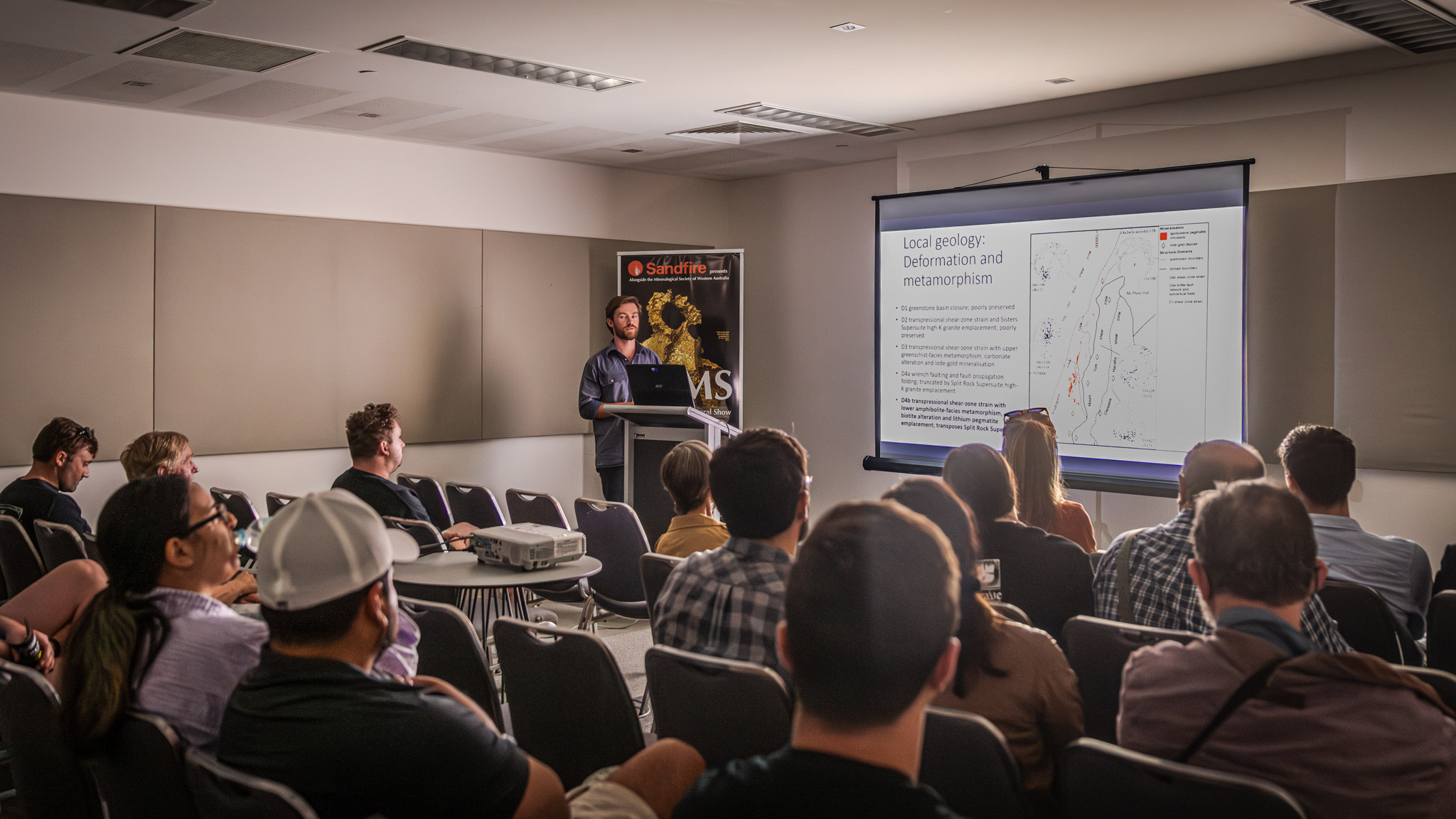
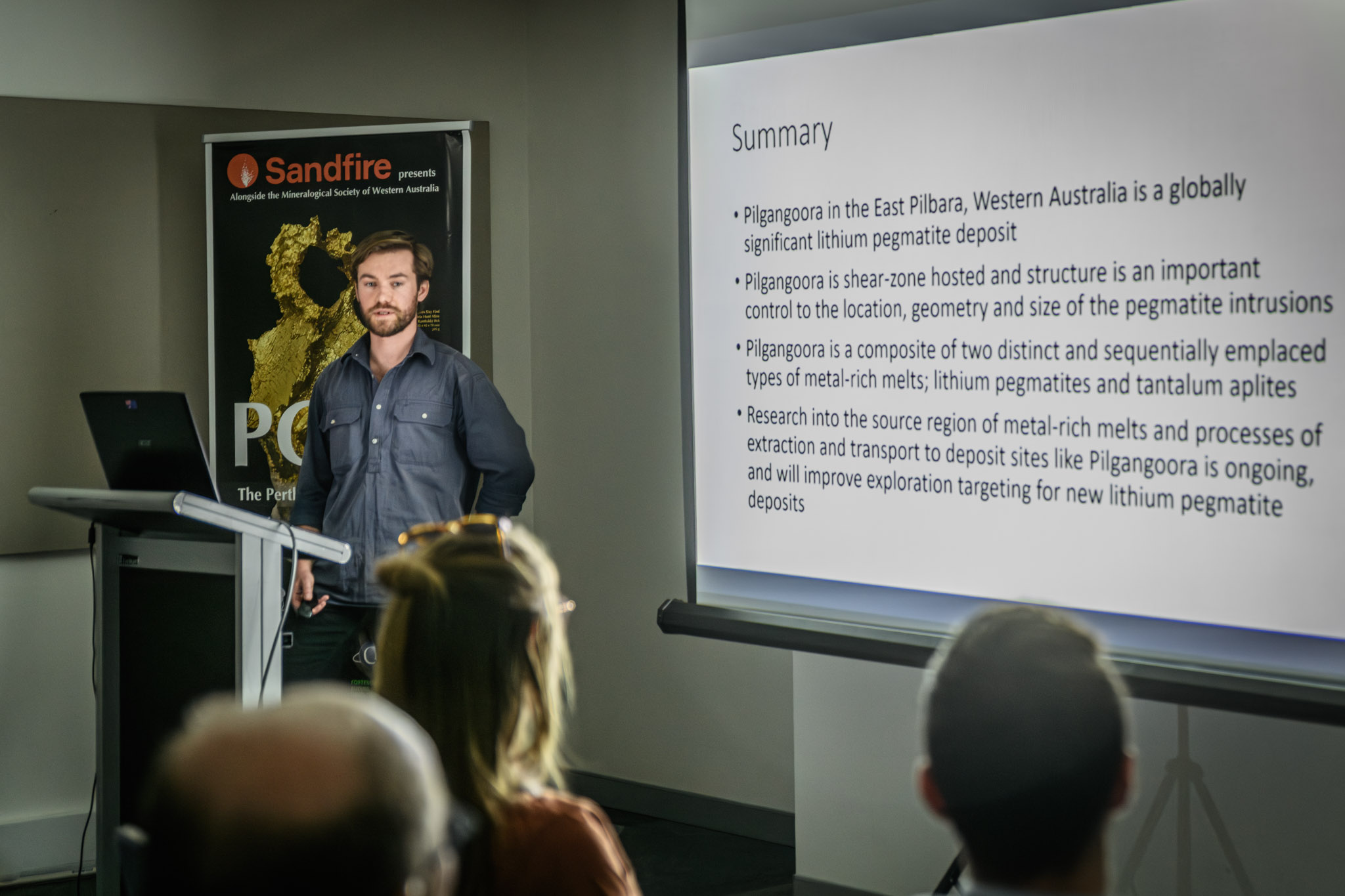
The giant Pilgangoora lithium pegmatite deposit
John Grigson
20 minutes
Pilgangoora is situated in the East Pilbara region of Western Australia and is one of the largest deposits of lithium globally. The deposit is shear zone hosted and comprises stacks of pegmatite intrusions that are hundreds of meters long and tens of meters thick.
The pegmatite intrusions have an incredible range of crystal size (1mm to 1m) and contain both common granitic minerals such as quartz, feldspar and mica as well as an abundance of rare metal-bearing minerals such as spodumene (lithium pyroxene). This presentation will define the geological setting at Pilgangoora and the evolution of minerals and metals in the pegmatite intrusions.
John Grigson is a geologist from Western Australia with a specialisation in exploration and mining of lithium-caesium-tantalum pegmatites. John is undertaking a PhD research project at the University of Western Australia and is gratefully supported by Pilbara Minerals Ltd.
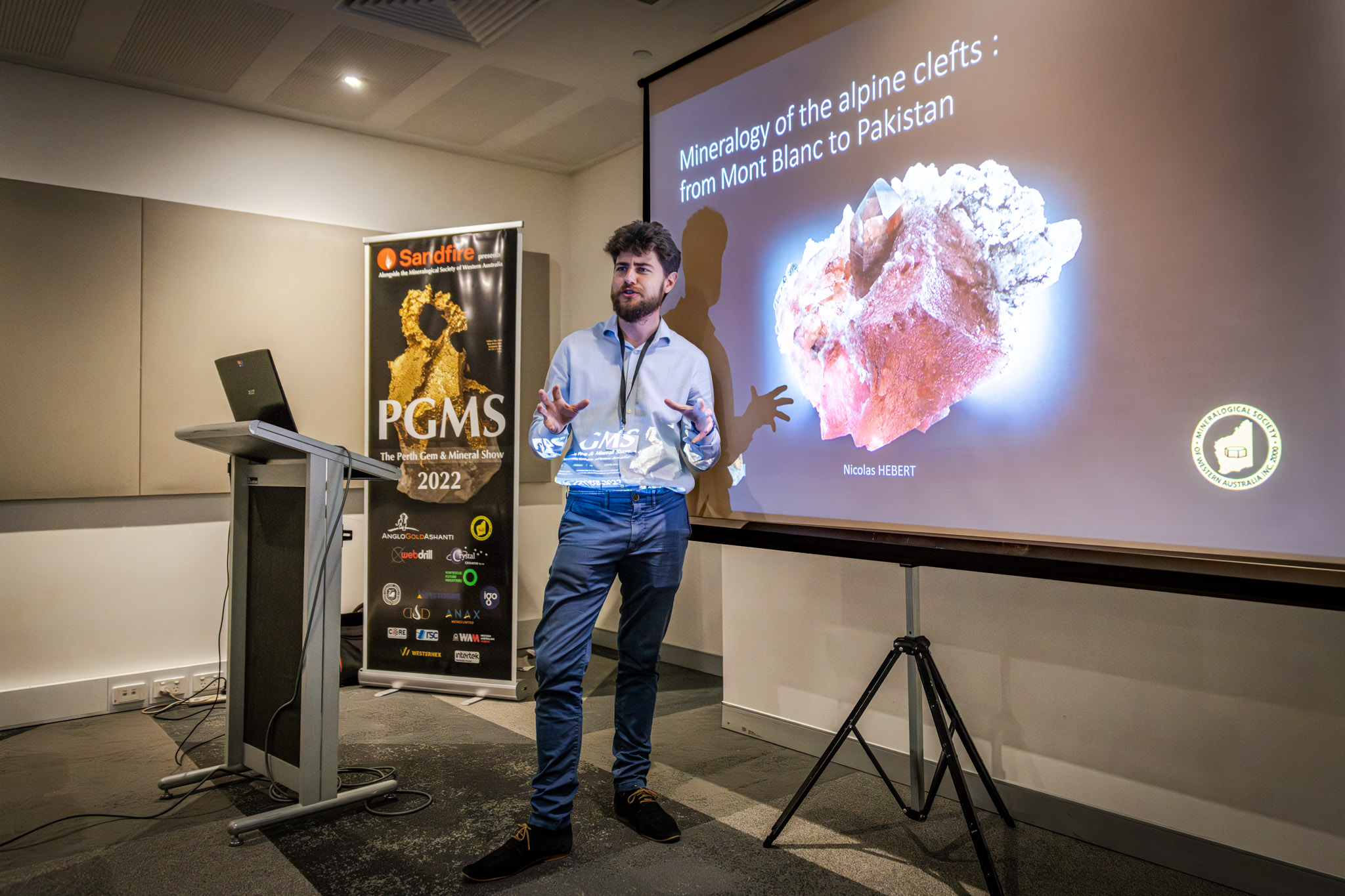
Mineralogy of alpine clefts: from France to Pakistan
Nicolas Hébert
30 minutes
Explore the paragenesis of the aesthetic mineral assemblages from Mont Blanc. From early stage smoky quartz crystals to pink fluorite, and later carbonate stage yielding amethysts, discover the similar growth mechanisms from the Alps to Pakistan
Nicolas Hébert, MSc, M.Ec, MBA is a french geological engineer & mineral enthusiast, founder of Akarbo resources. He’s currently working at the Greenbushes pegmatite as a data analyst for Talison Lithium.
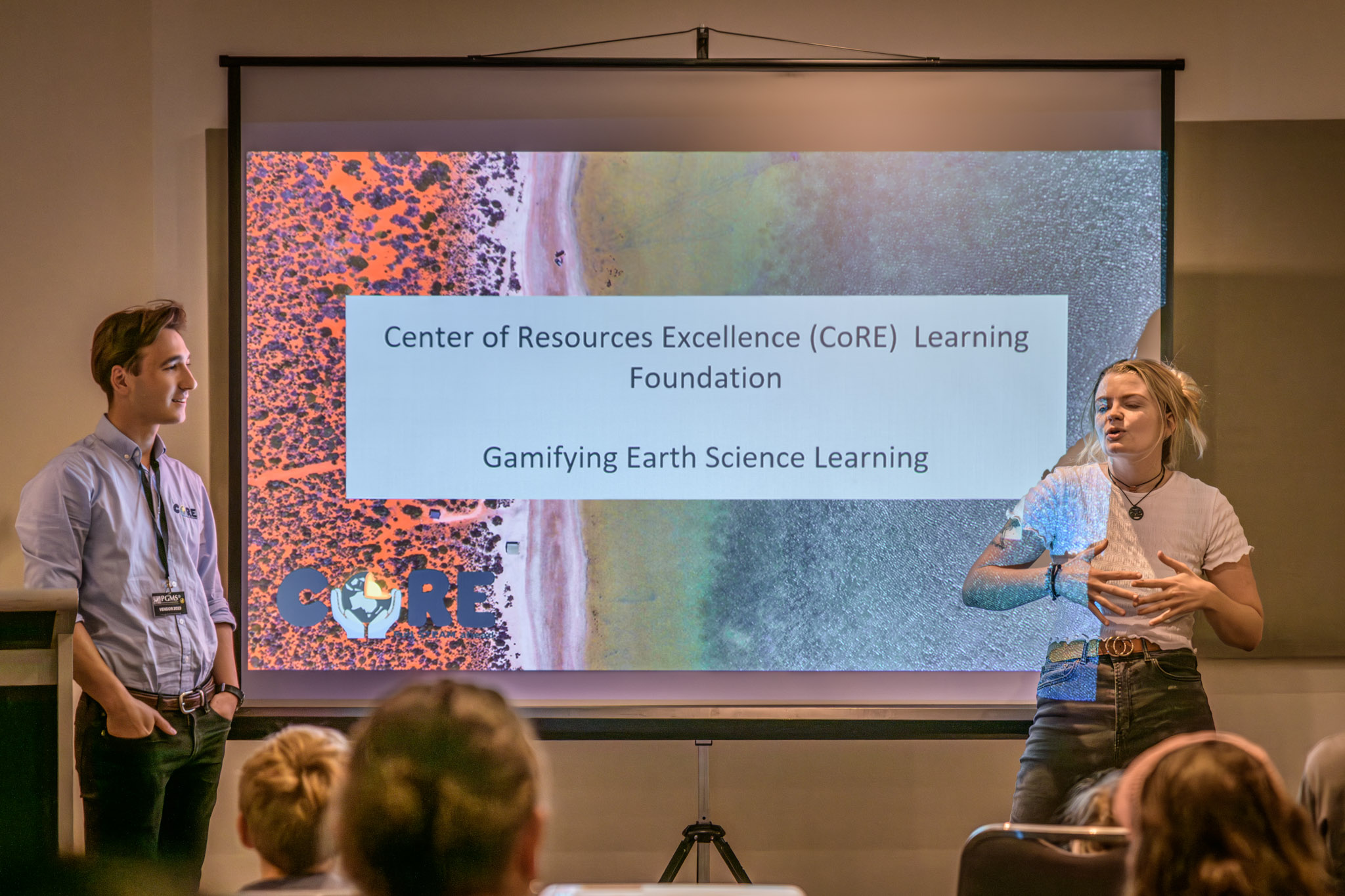
Gamifying Earth Science
Jett Coletti
60 minutes
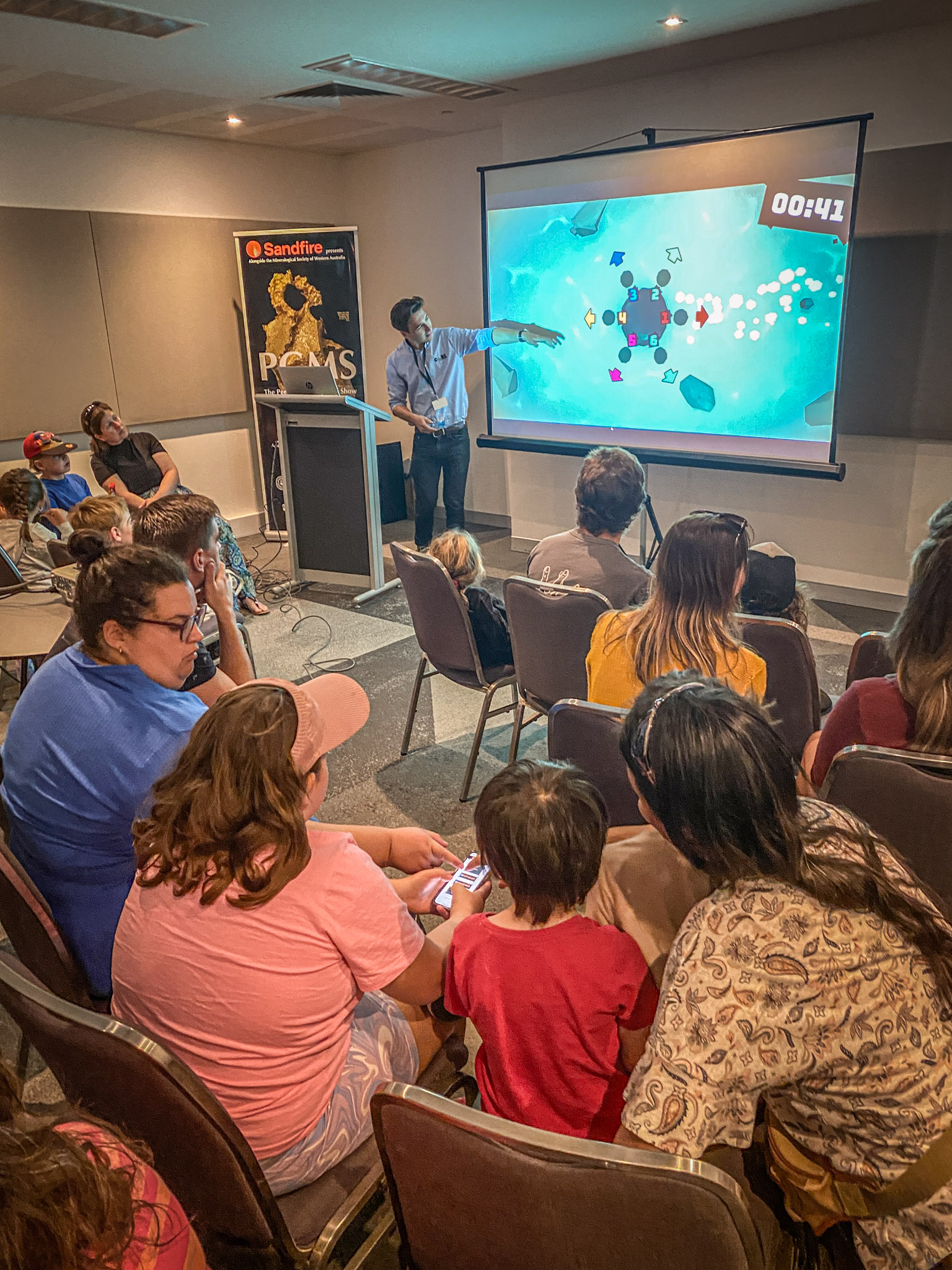
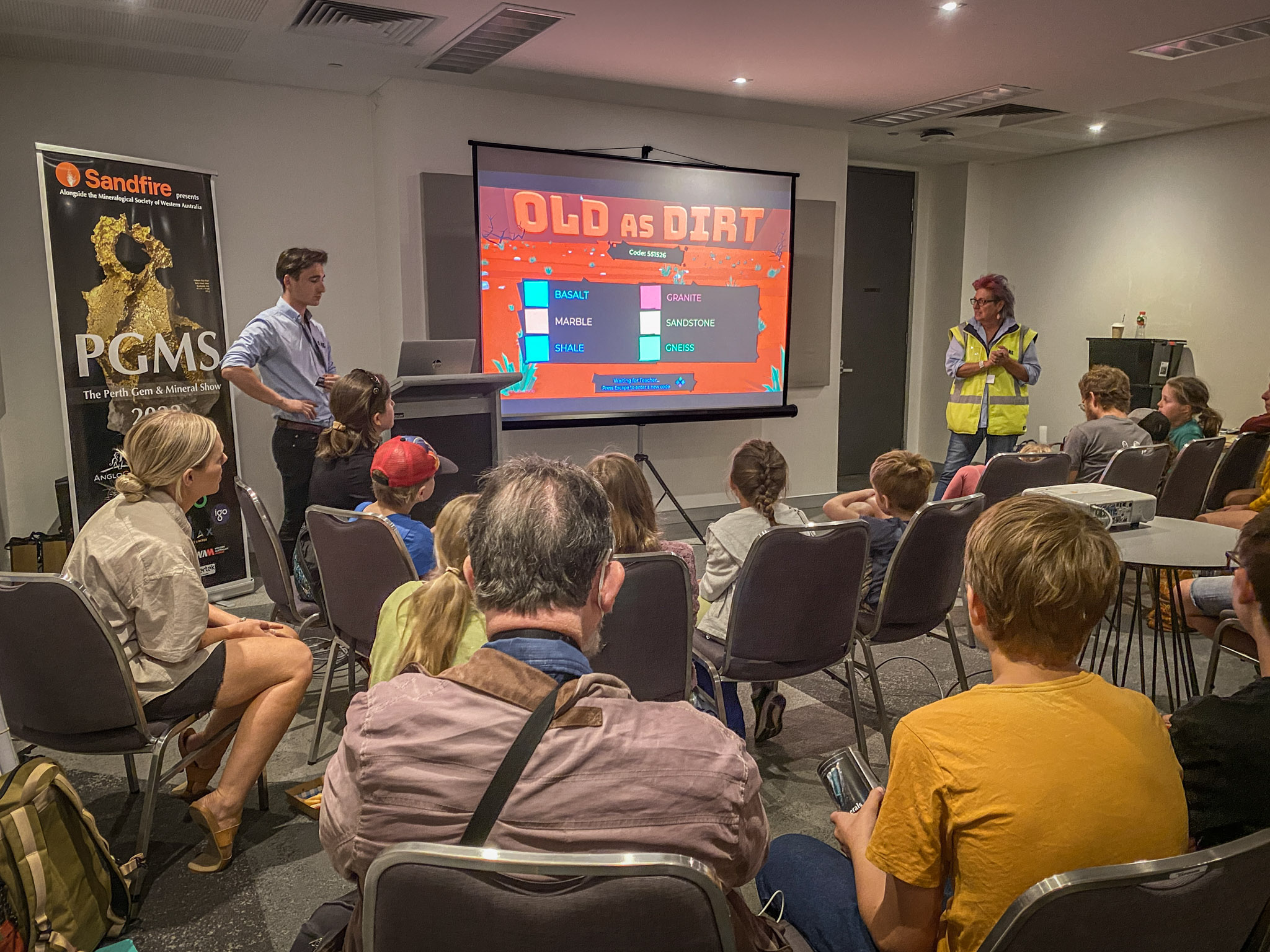
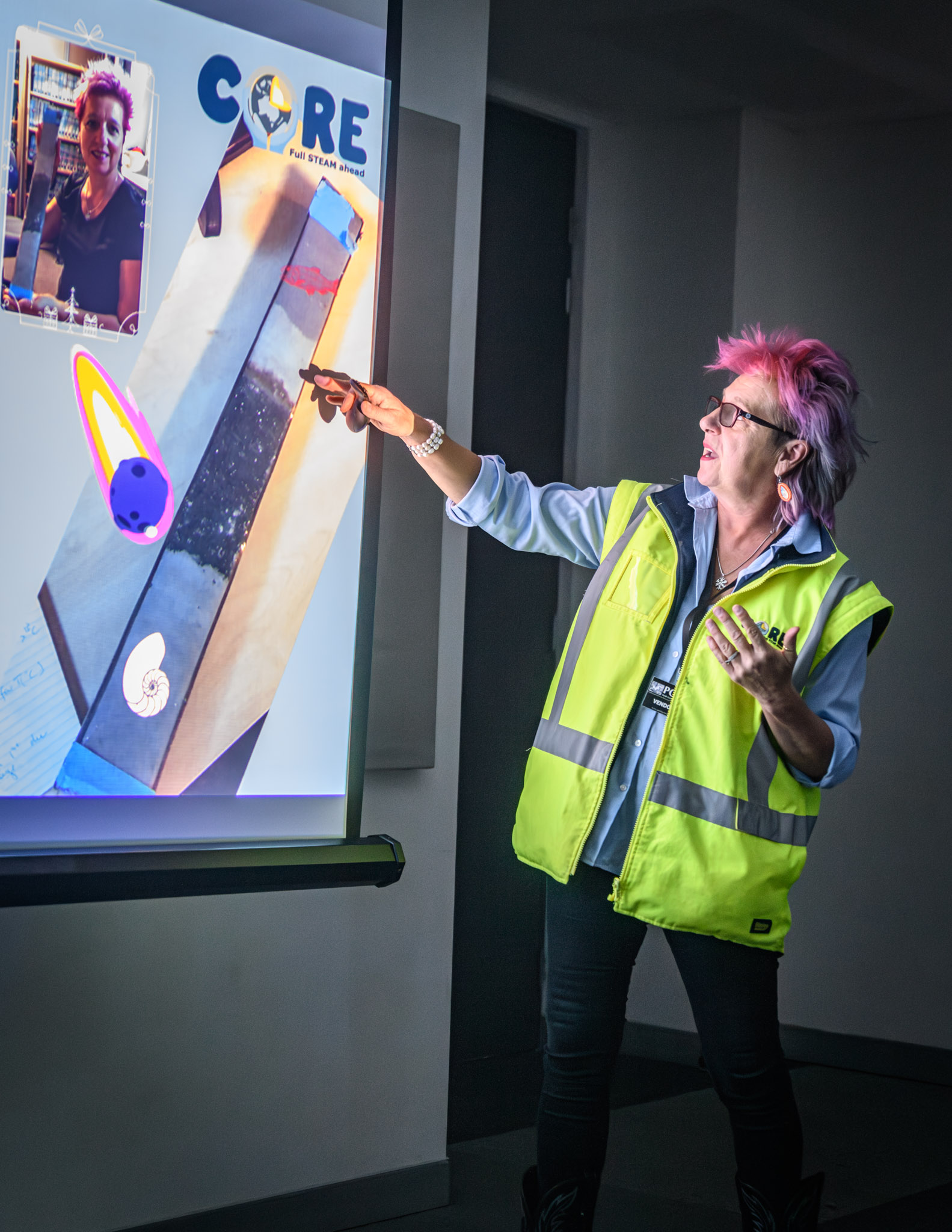
The CoRE Learning Foundation has developed two games – Resource, Rescue and Respond on Minecraft and Old as Dirt, a unity web based party game suite, to create a greater awareness of the importance of an Earth Science education, and how student learning in context can be connected to the diversity of careers in the resources industry.
During this presentation, the audience will engage in playing some of Old as Dirt, mini games that explore and immerse the students in the world of ore formation, exploration, transport and export in addition to being shown Resource, Rescue and Respond, a highly detailed, comprehensive experience described through a mine site’s Emergency Response Training Program.
The games have been designed to be assessable and reportable, and are representative of the Australian Curriculum. Student’s thoroughly enjoy playing these games, developing not only their STEM skills but also understanding how their learning connects to real world industry and career pathways.
Jett is the Business Development Officer at the CoRE Learning Foundation and is instrumental in ensuring the evolution and growth of the Foundation’s Gamifying Earth Science Initiative.
He is a CoRE Alumni, who first-hand experienced the benefits and rewards of STEM learning through the CoRE Learning Model. As a result, Jett, initially volunteered for the Foundation, and now is spearheading its not for profit expansion across Australia.
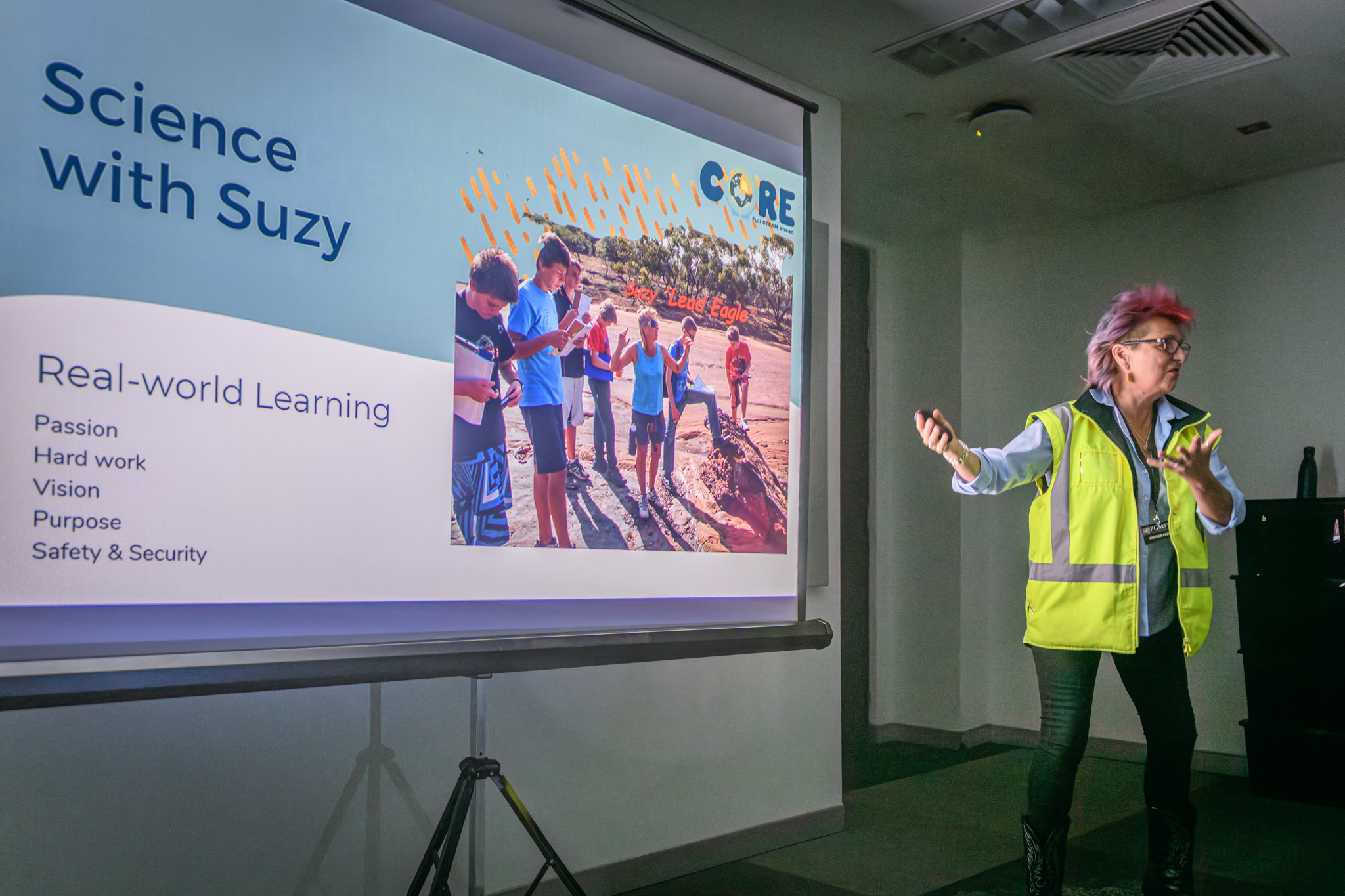
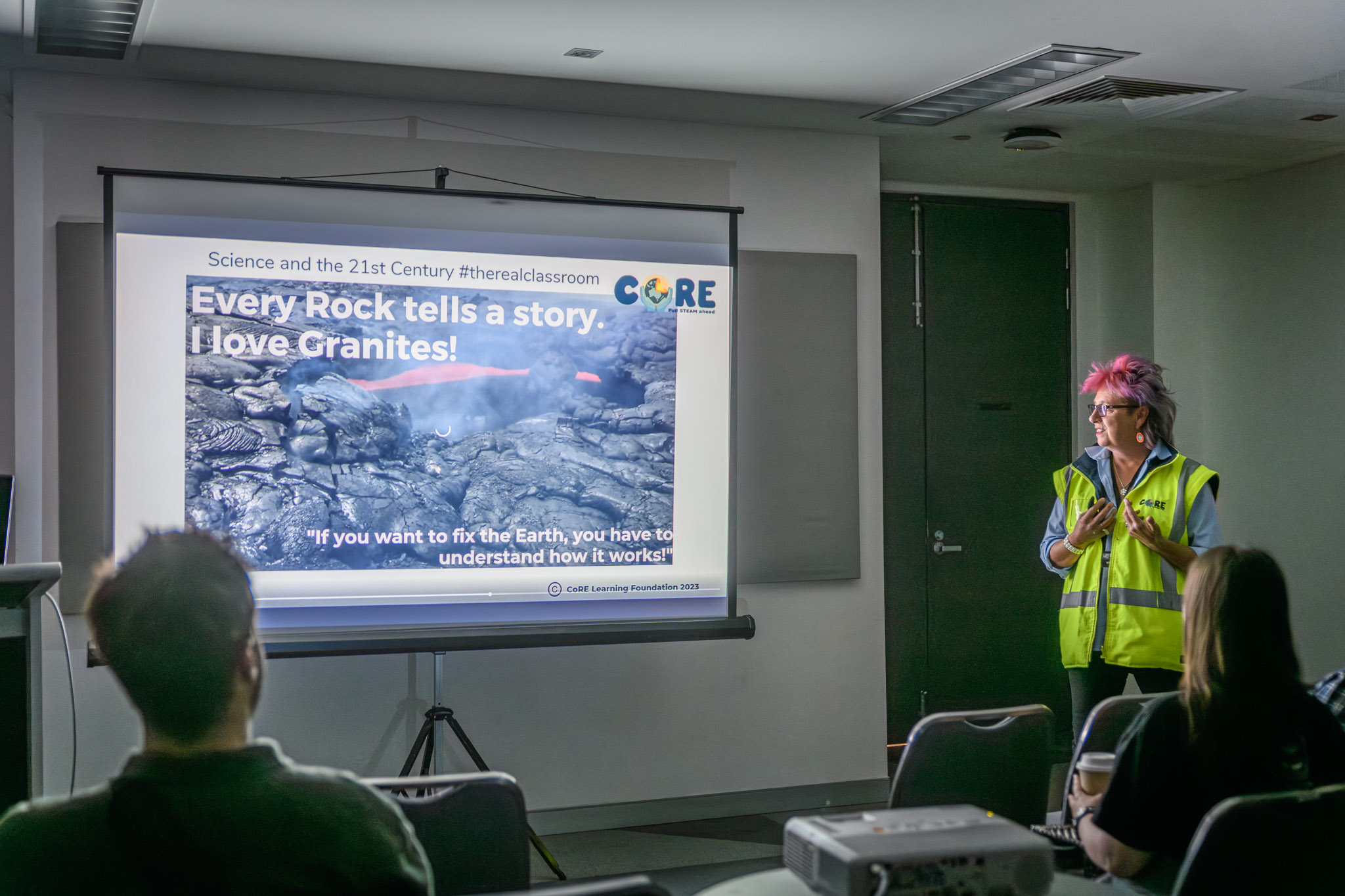
Every Rock Tells a Story ! I love granites
Suzy Urbaniak
30 minutes
Every Rock tells a story! Look at the colours. What do they mean ? How many different colours are there?Let’s take a deep dive into a rock and look at its chemistry, physics and sometimes biology, to understand the world of elements, minerals and rocks.
Here in Western Australia, there is a lot of granite but is it the same and why is it different ? How did it form and why is it so special? We will look at concepts such as xenoliths, lustre, crystal shape, tafone and even the formation of the iconic ‘wave,’ a geomorphological feature that characterises the granitic landscape of the Yilgarn Craton.
” A rock, ain’t just a rock. It is so much more ! “
Suzy worked as a geologist searching for gold before she became an educator and started her journey on developing the CoRE Learning Model, twenty years ago. In #therealclassroom, students work as young scientists and engineers, real-world problem-solving to understand the Earth and how it works. In 2018, she Co-founded the CoRE Learning Foundation, to expand the CoRE Learning Model across Australia
Panasqueira, a collectors’ wonderland for quartz and dark minerals. Stubborn paragenesis and hydrothermal source enigmas
Dehne McLaughlin
45 minutes
The Tungsten/Tin/Copper mines of the Panasqueira mining area in Portugal have attracted commercial, academic and mineral collector interest for over 100 years. Panasqueira hosts the 9th largest wolfram deposit in the world which on current rates of production has only 20 years of mine life remaining. Tungsten in the form of wolframite, mainly as ferberite, plus tin minerals and chalcopyrite, occupies numerous (¬1500) sub horizontal quartz rich veins up to a metre thick in metasediments sitting above a granite intrusion with a greisenised cupola.
There has been at least 4 major high pressure hydrostatic and hydrothermal mineralising events (some researchers advise up to 7 events) that have opened up the quartz veins to crystallisation of a complex of minerals such as topaz, F-apatite, siderite, ferberite/wolframite, cassiterite, tourmaline, muscovite, chalcopyrite, sphalerite, pyrite, marcasite, stannite, siderite, dolomite, calcite, arsenopyrite, fluorite, and the ubiquitous quartz. The glamour mineralising event for collectors occurred at a later stage when hot fluids dissolved out open spaces in many of the veins followed by free growth of mineral crystal combinations that are preserved in worldwide collections. The high quality mineral specimens presented in this talk are from 36 years of acquisition in the USA and Europe.
Dehne McLaughlin, a geologist and author from Hobart, is now a mineral collector disguised as a mineral dealer and has spent decades specialising in Portugal’s “Broken Hill” type location, Panasqueira. His career moved through geology, anthropology, biology, law, mine rehabilitation, mining and petroleum economics, finally ending up in consulting by 2000 that involved advising on resource agreements between Aboriginal traditional owners and resource companies. His ethos is Biblically based.
SiO2 minerals
Niels Dahl
45 minutes
Silicon dioxide is very common in the crust of the Earth as rock forming quartz. It can also create stunningly beautiful specimens for mineral collectors as quartz, agate, opal and colorful cherts. Many varieties are semi-precious stones.
Niels graduated in geology from university of Copenhagen many years ago, but has spent most of his career as an exploration geologist in Australia. He has now retired.
Our 2022 speaker program :
Our 2021 speaker program :